There’s a moment every event organizer knows too well. Tickets are ready, the venue is locked in, promotion is rolling… and then the friction starts. People hesitate. Links feel clunky. Payments fail. Someone messages asking, “Is there an easier way to buy?”
That’s where WeChat mini program ticketing quietly changes the game.
If your audience lives on WeChat—and for millions, it’s basically their digital home—then asking them to leave that environment just to buy a ticket is already a mistake. The beauty of mini programs is simple: everything happens in one place. No redirects. No extra logins. No mental friction.
But here’s the thing. Just having a mini program isn’t enough. Plenty of organizers set one up and still struggle to sell out events. The difference usually comes down to how it’s used.
Let’s get into what actually works.
Why Mini Programs Feel So Effortless (When Done Right)
Think about how people behave on their phones. They scroll quickly. They’re distracted. They don’t want to think too hard just to buy a ticket to a weekend event.
A well-built WeChat mini program fits into that behavior perfectly. Someone sees your event in a group chat or a Moments post, taps once, and lands directly on your ticket page. Their name, phone number, and payment method are already there. Buying a ticket becomes a two-minute decision instead of a five-step process.
I once saw a small workshop in Shanghai sell out 80 seats in under a day. No fancy ads. Just a clean mini program link shared in three niche WeChat groups. The key wasn’t reach—it was how easy it was to act on interest.
When the path is smooth, people don’t overthink.
The Quiet Power of Social Sharing
This is where mini programs really earn their keep.
Tickets don’t just sit on a page waiting to be discovered. They move. They get passed around in chats, dropped into group conversations, reposted in Moments. And when someone shares your event, it doesn’t feel like marketing. It feels like a recommendation.
That difference matters more than most people realize.
Imagine this: someone attends your last event, had a great time, and shares your new ticket link with a short message—“This was actually worth it last time.” That one sentence carries more weight than any polished ad copy.
Mini programs make that sharing frictionless. No awkward links. No “open in browser” issues. It just works inside the ecosystem people already trust.
Now, not every event benefits equally from this. Highly social events—networking meetups, workshops, pop-up experiences—spread faster. More niche or formal events need a bit more push. But even then, removing friction gives you a real edge.
Payment Is Where Most Drop-Off Happens
Let’s be honest. People abandon purchases all the time. And it usually happens right at the payment step.
With traditional ticketing setups, you might send users to a third-party site. They have to enter details manually. Maybe the page loads slowly. Maybe it doesn’t feel secure. That’s enough to kill momentum.
WeChat Pay changes that dynamic completely.
Inside a mini program, payment feels almost invisible. Users confirm with a fingerprint or a quick tap. Done.
No hesitation. No second-guessing.
I’ve seen events double their conversion rate simply by moving from external ticket links to in-app mini programs. Same audience. Same pricing. Just a smoother payment experience.
It’s not magic. It’s just fewer opportunities for people to change their mind.
Designing for Speed, Not Perfection
A common mistake is overbuilding the ticketing page.
Organizers try to include everything—long descriptions, detailed schedules, speaker bios, fancy animations. The result? A page that feels heavy and slow.
Here’s the thing. When someone opens your mini program, they’re already somewhat interested. Your job isn’t to convince them from scratch. It’s to help them decide quickly.
Clear event title. Date and time. Location. Price. A few strong details. That’s usually enough.
If they need more context, you can link to additional info or share it elsewhere. But the ticketing page itself should feel fast and focused.
Think of it like a good conversation. You don’t overwhelm someone with every detail at once. You give just enough for them to say yes.
Real-World Pricing Behavior (It’s Not Always Logical)
Pricing inside mini programs behaves a bit differently than on traditional platforms.
Because the buying process is so immediate, people tend to make quicker decisions. That can work in your favor—but it also means price sensitivity shows up in interesting ways.
For example, small differences matter. A ticket priced at 99 RMB often feels noticeably easier to accept than 120 RMB, even if the difference is minor in absolute terms.
Time-based pricing also works well. Early bird tickets, limited batches, or small increases as the event approaches can create gentle urgency without feeling pushy.
I’ve noticed that overly complex pricing tiers don’t perform well here. Keep it simple. Two or three options at most.
People don’t want to analyze. They want to decide.
Handling Check-In Without Chaos
Selling tickets is one part. Managing the event day is another.
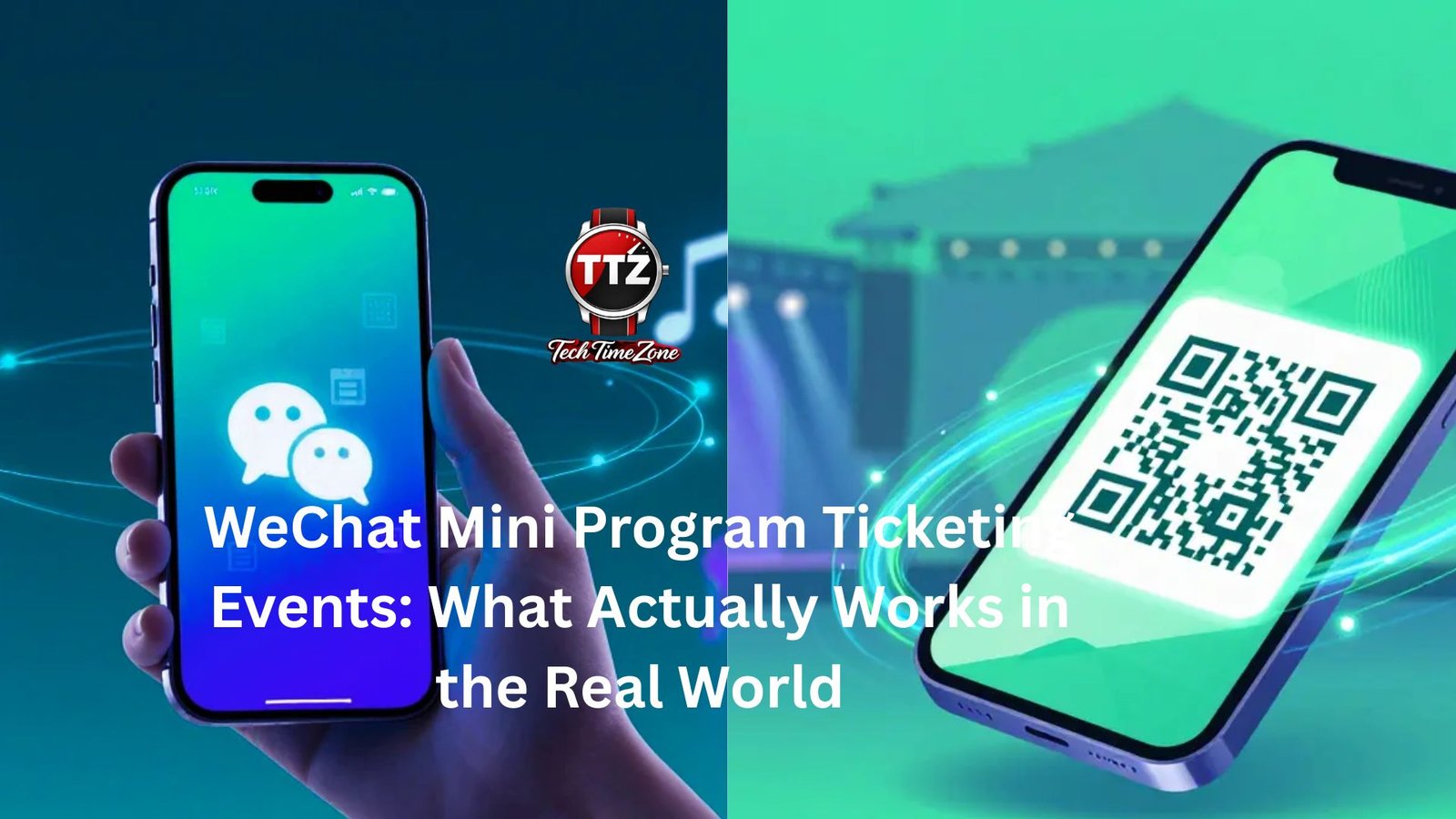
Mini programs often come with built-in QR code ticketing, which makes check-in surprisingly smooth—if you set it up properly.
Instead of printing lists or manually verifying names, attendees just show their code and get scanned in. Fast. Clean. Minimal confusion.
But here’s where small details matter.
If your entrance setup isn’t organized, even the best system falls apart. I’ve seen events where the tech worked perfectly, but the line was still a mess because there weren’t clear instructions or enough staff.
A simple sign that says “Open your ticket QR code” can make a big difference. So can having a backup plan for people who show up unprepared.
Technology helps. Execution still matters.
Data You Can Actually Use
One underrated benefit of WeChat mini program ticketing is the data it gives you.
You’re not just selling tickets—you’re learning how people interact with your event.
When do most purchases happen? Which price tier sells fastest? How many people open the page but don’t buy?
These patterns tell a story.
For example, if you notice a spike in purchases right after certain posts or group shares, you know what kind of messaging resonates. If people drop off at a certain point, something might be unclear or off-putting.
The key is not to overanalyze but to stay curious. Small adjustments—changing a title, tweaking pricing, simplifying the page—can lead to noticeable improvements.
It’s less about big strategies and more about steady refinement.
When Mini Programs Don’t Work as Well
They’re powerful, but they’re not a perfect fit for everything.
If your audience isn’t active on WeChat, forcing a mini program solution can backfire. International audiences, for example, may find it inconvenient or unfamiliar.
Events that require deep explanation—like technical conferences or specialized training—sometimes benefit from more detailed external pages before directing users to ticketing.
And if your branding or storytelling is central to the experience, a standalone site might give you more flexibility.
The point is, mini programs are a tool, not a default answer. They shine in the right context.
A Subtle Shift in How People Decide
Here’s something that’s easy to miss.
Mini program ticketing doesn’t just change how people buy—it changes how they decide.
Because everything is faster and more integrated, decisions become more instinctive. People rely more on trust signals: who shared the link, how the event feels at a glance, whether it looks easy to join.
That means your reputation and presentation carry more weight than ever.
A clean, straightforward mini program builds confidence. A messy or confusing one creates doubt immediately.
You don’t get much time to make an impression.
The Takeaway
WeChat mini program ticketing isn’t about adding new features. It’s about removing friction.
When done well, it feels almost invisible. People see an event, tap, pay, and move on with their day. No effort wasted. No second thoughts.
But that simplicity takes intention.
Keep the experience fast. Make sharing easy. Respect how people actually behave on their phones. And pay attention to the small signals your audience gives you.
Because in the end, selling tickets isn’t just about reaching people. It’s about making it easy for them to say yes.