Some ingredients quietly sit in the background of a recipe. Others completely change the character of a dish. Koriandri belongs in the second category.
If you’ve come across the word and wondered what it means, you’re not alone. Depending on where you live, koriandri may refer to a familiar kitchen herb that appears in everything from fresh salads to rich curries. Yet despite its widespread use, many people still confuse it with parsley or aren’t quite sure how it differs from coriander.
The interesting part is that koriandri isn’t just about flavor. It carries history, culture, and a surprising amount of versatility. A handful of fresh leaves can brighten a meal in seconds, while the seeds bring warmth and depth that feel completely different from the plant’s leafy side.
Table of Contents
- What Is Koriandri?
- The Origins and History of Koriandri
- Why Koriandri Has Such a Unique Flavor
- Fresh Leaves and Seeds: Two Different Experiences
- How Koriandri Is Used Around the World
- Growing Koriandri at Home
- Health Benefits Associated With Koriandri
- Common Mistakes People Make With Koriandri
- Tips for Buying and Storing Koriandri
- Why Some People Love It and Others Don’t
- Final Thoughts
What Is Koriandri?
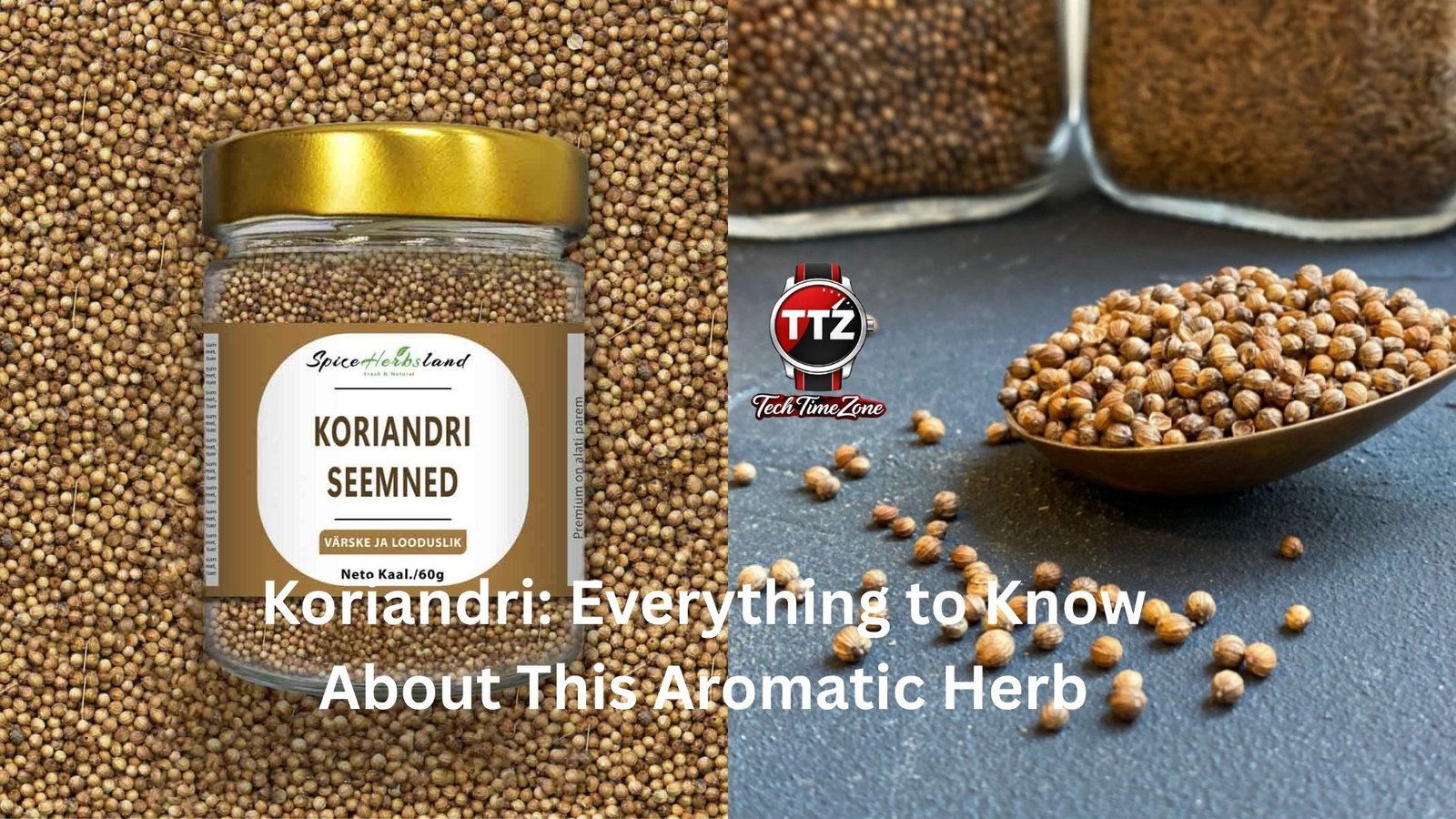
Koriandri is another name associated with coriander, a widely used herb and spice known scientifically as Coriandrum sativum. The plant provides both fresh leaves and dried seeds, and each part offers a completely different taste profile.
The leaves are often called cilantro in many countries, while the seeds are commonly referred to as coriander seeds. Depending on regional language and cultural traditions, the term koriandri may be used to describe the plant itself or its culinary use.
It’s one of those rare ingredients that can appear in a simple homemade soup and a complex restaurant-quality dish with equal success.
Walk into a kitchen where fresh koriandri has just been chopped, and you’ll immediately notice its distinctive aroma. It’s fresh, bright, slightly citrusy, and difficult to mistake for anything else.
The Origins and History of Koriandri
Koriandri has been around for thousands of years.
Historical records suggest coriander was cultivated in ancient civilizations across the Mediterranean region, the Middle East, and parts of Asia. Archaeologists have even found coriander seeds in ancient tombs, showing just how long people have valued this plant.
That longevity says something.
Food trends come and go. Ingredients become fashionable and then disappear. Koriandri has survived centuries because it consistently adds flavor and versatility to cooking.
As trade routes expanded, coriander traveled across continents. It became a staple ingredient in Indian cuisine, Middle Eastern dishes, Latin American recipes, and many European kitchens.
Today, it feels almost universal.
Why Koriandri Has Such a Unique Flavor
Here’s the thing about koriandri: not everyone experiences it the same way.
For many people, the leaves taste fresh and vibrant. Others describe them as citrusy with hints of pepper and herbs. They bring a clean finish to spicy or rich dishes.
Yet some people have a completely different reaction.
Certain individuals carry genetic traits that make coriander leaves taste unpleasantly soapy. It’s not imagination. Researchers have linked this perception to how specific aroma compounds are processed by the body.
Imagine two friends eating the exact same taco. One loves the fresh koriandri garnish and asks for extra. The other immediately picks it off the plate. Both reactions are genuine.
That unusual divide has made koriandri one of the most talked-about herbs in the culinary world.
Fresh Leaves and Seeds: Two Different Experiences
One reason koriandri is so fascinating is that the leaves and seeds seem like products from entirely different plants.
Fresh leaves are vibrant and aromatic. They add brightness and freshness. You’ll often see them sprinkled on finished dishes rather than cooked for long periods.
The seeds tell a different story.
When dried and ground, coriander seeds produce warm, slightly sweet flavors with subtle citrus notes. They work beautifully in spice blends, soups, stews, curries, and marinades.
Think about a bowl of curry.
The ground coriander in the sauce provides depth and complexity. Meanwhile, fresh koriandri leaves added on top create freshness and contrast. Together, they balance the dish perfectly.
Few herbs can play both roles so effectively.
How Koriandri Is Used Around the World
Travel through different food cultures and you’ll quickly notice how often koriandri appears.
In India, coriander is practically indispensable. Ground seeds form part of countless spice mixes, while fresh leaves frequently garnish curries, lentils, and street food.
Middle Eastern cuisine relies on coriander in soups, salads, meat dishes, and spice blends.
Latin American cooking often uses fresh cilantro in salsa, tacos, burritos, and grilled meats.
Southeast Asian dishes feature koriandri in noodle bowls, soups, and fresh salads.
What’s impressive is how adaptable it remains across these diverse culinary traditions.
A spicy curry, a fresh salsa, and a noodle soup may have little else in common, yet koriandri feels perfectly at home in all three.
Growing Koriandri at Home
Many people assume growing herbs requires a large garden. Koriandri proves otherwise.
A small balcony, sunny window, or modest backyard space can often provide enough room for healthy plants.
The seeds germinate fairly quickly, and the plant grows best in cooler conditions. Too much heat can cause it to bolt, meaning it flowers and produces seeds earlier than desired.
One practical trick is planting small batches every few weeks. This creates a steady supply of fresh leaves rather than one large harvest.
A friend of mine once started growing koriandri in a small container beside his kitchen window. He originally planted it for occasional garnishes. A few months later, he was adding fresh herbs to nearly every meal because they were always within reach.
Freshly harvested leaves really do have a different character compared to store-bought versions.
Health Benefits Associated With Koriandri
People usually reach for koriandri because of flavor, but the herb also contains a variety of nutrients.
The leaves provide vitamins A, C, and K, along with antioxidants that support overall health. Coriander seeds contain beneficial plant compounds that have attracted attention in nutritional research.
Traditional medicine systems have used coriander for generations. It’s often associated with digestive support and overall wellness.
Of course, no herb is a magic solution.
Still, incorporating fresh herbs into meals is generally a simple way to add flavor without relying heavily on salt, sugar, or processed ingredients.
That’s a practical benefit most people can appreciate.
Common Mistakes People Make With Koriandri
One mistake happens before cooking even begins.
People sometimes confuse koriandri with parsley because the leaves look somewhat similar. The flavors, however, are entirely different.
Another issue involves timing.
Fresh leaves lose some of their delicate flavor when cooked for extended periods. Adding them near the end of cooking often preserves their freshness.
Storage mistakes are common too.
Leaving fresh koriandri uncovered in the refrigerator can cause it to wilt quickly. Many cooks treat it like a bouquet of flowers by placing stems in water and loosely covering the leaves. This simple method can noticeably extend freshness.
Then there’s overuse.
Because koriandri has a strong personality, adding too much can overwhelm a dish. A balanced approach usually works best.
Tips for Buying and Storing Koriandri
When shopping for fresh koriandri, look for vibrant green leaves without yellowing or excessive wilting.
The aroma matters too.
Fresh bunches should smell lively and fragrant. If the scent feels weak or stale, the herb is likely past its prime.
Once home, trim the stems slightly and place them in a container with water. Store them in the refrigerator while loosely covering the tops with a plastic bag.
This method often keeps the herb usable for several extra days.
For seeds, choose whole coriander seeds whenever possible. They retain flavor longer than pre-ground spice. Grinding small amounts when needed can make a noticeable difference in taste.
It’s a small effort that pays off in the final dish.
Why Some People Love It and Others Don’t
Few herbs inspire stronger opinions.
People who enjoy koriandri often describe it as refreshing, bright, and essential. They can’t imagine certain foods without it.
Others actively avoid it.
The genetic explanation helps clarify why the debate never seems to end. Different people genuinely experience the flavor differently.
Let’s be honest: food preferences are deeply personal.
Someone might dislike koriandri yet love coriander seeds. Another person may enjoy both. Neither response is right or wrong.
That’s part of what makes food culture interesting. The same ingredient can create completely different experiences depending on who’s tasting it.
Final Thoughts
Koriandri has earned its place in kitchens around the world through centuries of use and remarkable versatility. Whether it’s the fresh leaves brightening a bowl of soup or the seeds adding warmth to a spice blend, this humble plant delivers far more than many people realize.
Its distinctive flavor may divide opinions, but few can deny its influence on global cooking. From home kitchens to professional restaurants, koriandri continues to shape dishes in ways both subtle and unforgettable.
The next time you spot fresh koriandri at the market or see it sprinkled over a meal, take a moment to appreciate how much history, flavor, and tradition can fit into a single herb. Sometimes the smallest ingredients leave the biggest impression.