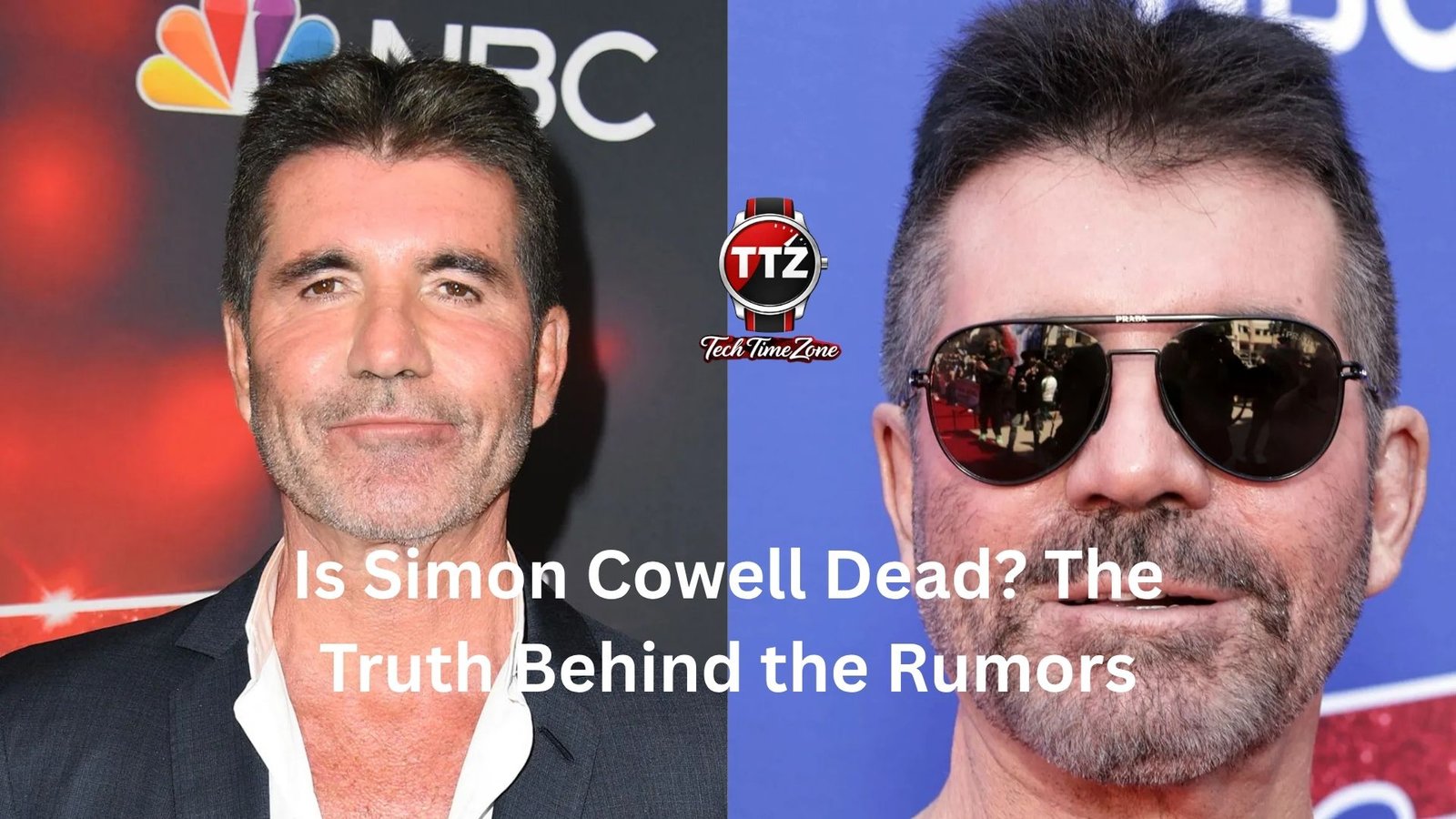
If you’ve spent even a few minutes online lately, you might have seen the question pop up: is Simon Cowell dead? It spreads fast. A headline here, a vague post there, maybe a dramatic TikTok with sad music in the background. Before you know it, people are wondering if one of TV’s most recognizable faces is gone.
Let’s clear it up right away. No—Simon Cowell is not dead. He’s alive, working, and still very much part of the entertainment world.
So why does this rumor keep coming back? And why do so many people believe it, even for a moment?
Why the Rumor Keeps Circulating
Celebrity death hoaxes aren’t new. They’ve been around for decades, just in different forms. Years ago, it was chain emails. Now it’s social media posts that look just believable enough to make you pause.
Simon Cowell is a perfect target for this kind of rumor. He’s famous, recognizable across generations, and not constantly in the spotlight every single day. That gap—those quiet stretches—creates space for speculation.
Here’s a typical scenario. Someone sees an old clip of Cowell from American Idol or The X Factor. They search his name. Alongside legitimate results, there’s a misleading headline or a recycled rumor. Maybe it says “fans mourn…” or “tragic news…” without giving full context. One click turns into a misunderstanding.
And once a rumor gets traction, it feeds itself. People share before checking. Others react emotionally. The algorithm does the rest.
The Health Scares That Fueled the Confusion
To be fair, Simon Cowell has had a few real health incidents over the years. These moments often act as the spark that reignites false claims.
Back in 2020, Cowell suffered a serious back injury after falling from an electric bike at his home in Malibu. It required surgery and a long recovery period. For a while, he was out of the public eye, which only added to speculation.
Then in 2022, he had another e-bike accident, this time in London. It wasn’t as severe, but it still made headlines. Again, people saw “accident,” “hospital,” and “Simon Cowell” in the same sentence—and some jumped to the worst possible conclusion.
Let’s be honest, the internet doesn’t always handle nuance well. A real injury can quickly morph into something far more dramatic once it’s passed through a few layers of retelling.
Where He Is Now
Simon Cowell is still actively involved in the entertainment industry. You’ll find him judging talent shows, producing content, and making appearances that remind everyone exactly why he became such a big name in the first place.
He’s been a central figure on Britain’s Got Talent for years, and his role hasn’t faded. If anything, he’s leaned into a slightly softer public image compared to his earlier days. The sharp, brutally honest judge is still there—but now there’s a bit more warmth mixed in.
People who’ve followed his career closely have noticed the shift. He still critiques, but he also encourages. It’s a different balance, and it works.
Outside of TV, he’s focused on his family as well. He’s spoken openly about how becoming a father changed his priorities. That kind of life adjustment often pulls celebrities away from constant media exposure, which again can leave room for rumors to creep in.
Why People Believe It So Easily
There’s something about celebrity death rumors that grabs attention instantly. It’s emotional. It’s shocking. And it feels urgent.
Think about how you’d react if you saw a headline claiming a well-known figure had died. You’d probably stop scrolling. Maybe you’d click. Maybe you’d even message a friend: “Is this real?”
That split-second reaction is all it takes.
The internet rewards speed, not accuracy. A dramatic claim spreads faster than a careful correction. And by the time the truth catches up, the rumor has already done its rounds.
There’s also a psychological angle. Familiar public figures feel like part of our lives. When you’ve watched someone on TV for years, they almost become a constant. So when you hear they might be gone, it hits differently—even if you don’t know them personally.
Spotting the Fake News
You don’t need to be a media expert to avoid falling for these rumors. A few quick checks go a long way.
If a claim seems dramatic, look at the source. Is it a reputable news outlet? Or is it a random website with a vague headline and lots of ads?
Another simple move: check the date. Old news often gets reshared as if it just happened. That’s especially common with past health scares.
And then there’s the absence of coverage. When a major celebrity actually passes away, it’s everywhere—trusted news sites, official statements, verified social media accounts. If you’re only seeing it in one place, that’s a red flag.
It’s a bit like hearing a wild rumor at a party. If only one person is saying it, you’d probably take it with a grain of salt. The same logic applies online.
The Strange Longevity of Death Hoaxes
What’s interesting is how persistent these rumors are. Simon Cowell isn’t the only one. Many celebrities have been declared “dead” online multiple times, only to reappear on TV a few days later.
Part of it comes down to how content is recycled. A misleading post from years ago can resurface and look brand new. Add a fresh caption, and suddenly it’s trending again.
There’s also a strange incentive at play. Shocking claims drive clicks. More clicks mean more visibility, and sometimes more revenue for the people spreading the rumor. Accuracy isn’t always the priority.
It’s a bit cynical, but it explains why these stories never fully disappear.
A Quick Reality Check
If Simon Cowell had actually died, you wouldn’t need to search for confirmation. It would dominate headlines across the world. Major networks, newspapers, and official accounts would all be reporting the same thing at the same time.
Instead, what you’re seeing are scattered posts, often without solid sources, repeating the same vague claims.
That contrast tells you everything you need to know.
Why It’s Worth Double-Checking
At first glance, a rumor like this might seem harmless. It’s just gossip, right? But it does have real effects.
For one, it spreads misinformation. That might sound obvious, but it adds up. When people get used to sharing unverified claims, it becomes harder to separate truth from fiction overall.
There’s also the human side. Celebrities have families, friends, and colleagues who might see these rumors. Imagine waking up to messages asking if you’re okay because the internet thinks you’ve died. It’s unsettling, to say the least.
Taking a moment to verify before sharing isn’t just about accuracy—it’s about basic respect.
The Bottom Line
So, is Simon Cowell dead? No. He’s alive, active, and still shaping the entertainment world in his own way.
The rumor is just another example of how quickly misinformation can spread, especially when it involves someone well-known. It’s easy to get caught up in the moment, but a quick check usually brings you back to reality.
Here’s the thing—celebrity news moves fast, but truth doesn’t need to shout to be heard. A little skepticism goes a long way.