You’ve probably seen someone ask, “What’s your PFP?” or “Nice PFP” while scrolling through social media, gaming chats, or messaging apps. If you’re not familiar with the term, it can seem like just another piece of internet slang. But it’s actually much simpler than it sounds.
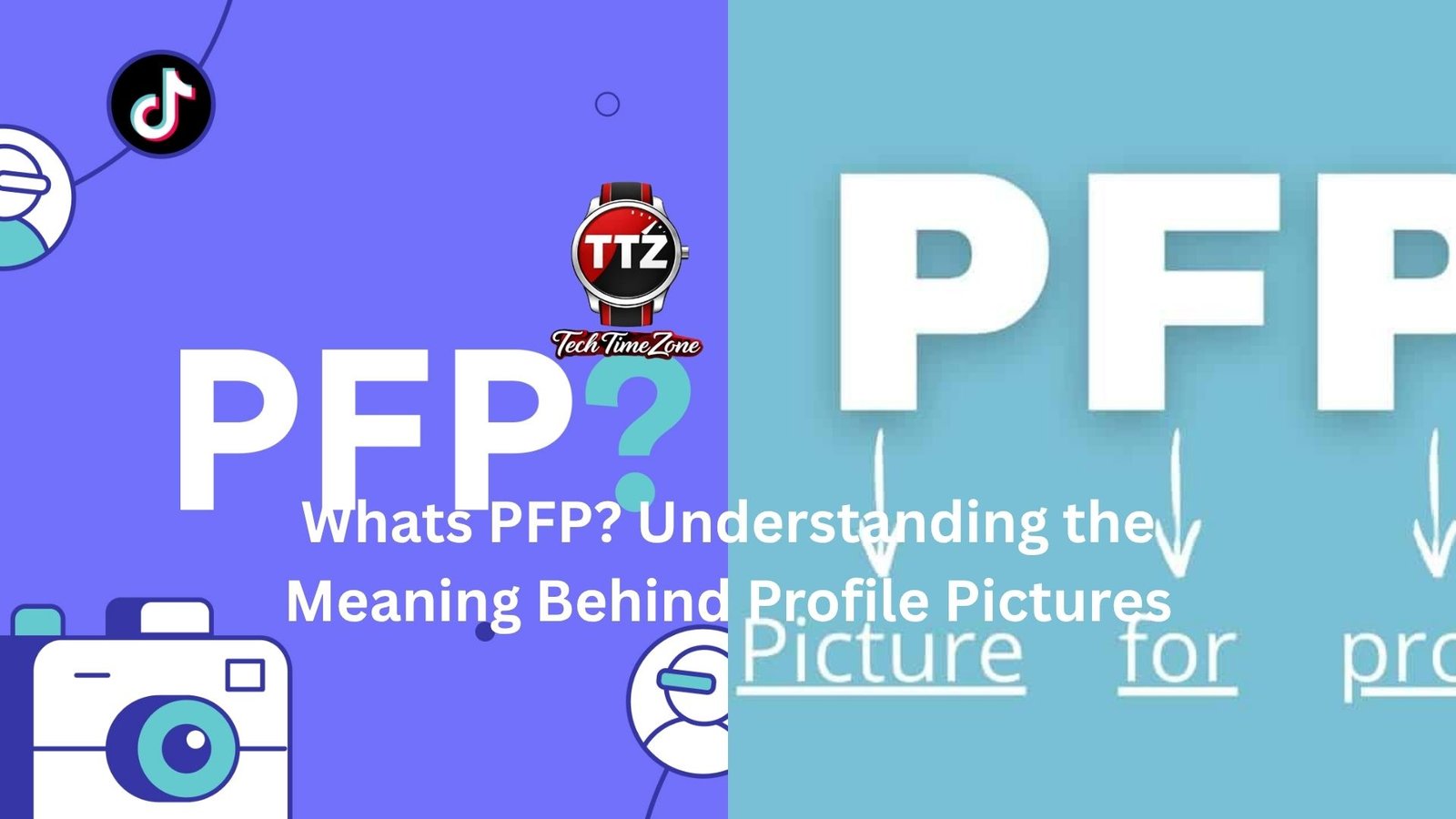
PFP stands for Profile Picture. It’s the image a person chooses to represent themselves on a social platform, forum, gaming account, or messaging app. While that definition is straightforward, the role of a PFP goes much deeper than just being a photo.
A profile picture can tell people who you are, what you like, how seriously you take a platform, or even what mood you’re in. Sometimes it’s a real photo. Other times it’s a cartoon character, a pet, a favorite athlete, or a completely random image that somehow becomes part of someone’s online identity.
Let’s look at why PFPs matter, where the term came from, and how people use them today.
What Does PFP Mean?
At its core, PFP is simply shorthand for Profile Picture.
The term became popular because internet users love abbreviations. Typing “PFP” is quicker than writing “profile picture,” especially in fast-moving conversations on platforms like Discord, X, TikTok, Reddit, and Instagram.
You might see comments such as:
- “Your PFP is hilarious.”
- “I changed my PFP today.”
- “Who’s the character in your PFP?”
- “Matching PFPs are cute.”
In each case, the person is referring to the image attached to someone’s account.
While the meaning hasn’t changed much, the culture around PFPs has evolved significantly.
Why People Care So Much About Their PFP
Here’s the thing: your profile picture is often the first thing people notice online.
Before someone reads your bio, checks your posts, or sends a message, they usually see your PFP. That small image creates an immediate impression.
Think about walking into a room. People notice your appearance before they know anything about your personality. Online, the profile picture often serves a similar purpose.
Someone using a professional headshot may appear business-focused and trustworthy. A gamer using artwork from a favorite game instantly signals their interests. A person with a picture of their dog might simply want to keep things casual and personal.
None of these choices are right or wrong. They just communicate different things.
That’s why many users spend more time choosing a profile picture than outsiders might expect.
The Different Types of PFPs People Use
Not every profile picture is a selfie. In fact, many aren’t.
One common choice is a personal photograph. This is especially popular on professional platforms, dating apps, and social networks where real identity matters.
Then there are character-based PFPs. Anime characters, movie heroes, comic book figures, and video game icons appear everywhere online. These images often reflect personal interests or fandoms.
Some users prefer artwork or illustrations. An artist might showcase their own creation as a profile picture. Others commission custom avatars that feel unique to them.
Pet photos are another favorite. If you’ve spent time on social media, you’ve probably encountered countless cats and dogs serving as profile pictures.
Then there are the mysterious users who pick completely unexpected images. Maybe it’s a potato wearing sunglasses. Maybe it’s a blurry frog. Somehow those strange choices often become memorable.
The internet has always had room for creativity.
How PFPs Became Part of Online Culture
Profile pictures existed long before the abbreviation PFP became common.
Early forums, chat rooms, and online communities often used “avatars” to represent users. These avatars could be photos, icons, or small graphics.
As social media exploded, profile pictures became more central to online identity. Platforms like Facebook encouraged real photos, while communities such as Reddit and Discord allowed much more flexibility.
Over time, internet users started shortening “profile picture” to “PFP.” The abbreviation spread quickly because it worked across nearly every platform.
Now it’s part of everyday online language.
Someone can mention a PFP without explaining the term, and most internet users immediately understand what they’re talking about.
The Rise of Matching PFPs
One interesting trend is the popularity of matching profile pictures.
Friends, couples, siblings, and online communities sometimes choose images that connect in some way. The pictures might be two characters from the same show, halves of a larger image, or similar artistic designs.
Imagine two friends joining a gaming server with matching character portraits. Even before they type a message, people recognize they’re connected.
It’s a small detail, but it creates a sense of belonging and shared identity.
Matching PFPs became especially popular on platforms where communities form around common interests.
PFPs in Gaming Communities
Gaming culture has had a huge influence on how profile pictures are used today.
In online games, players often know each other primarily through usernames and profile images. The PFP becomes part of a person’s reputation within the community.
A recognizable profile picture can make someone easier to spot in chats, forums, and multiplayer lobbies.
For example, imagine you’ve played with the same teammate for months. You might not remember every detail of their username, but you’ll instantly recognize the dragon image they’ve used as their PFP for years.
That visual consistency matters.
Many gamers become attached to a profile picture because it feels like part of their identity.
Professional vs. Casual PFPs
The best profile picture often depends on where it’s being used.
On LinkedIn, people generally choose professional headshots because they’re building career connections. A clear, friendly photo helps establish credibility.
On a gaming platform, that same headshot might feel out of place. Users often prefer avatars, artwork, or images connected to their interests.
Context matters.
Someone might have five different profile pictures across five different platforms. That’s not unusual. People present different sides of themselves depending on the audience.
Let’s be honest, most people wouldn’t use the exact same image for a job networking site and a meme-sharing community.
Can a PFP Affect First Impressions?
Absolutely.
Humans naturally make quick judgments based on visual information. Online interactions are no exception.
A clear and thoughtful profile picture can make an account appear more trustworthy. A low-quality or confusing image may create uncertainty, especially if someone is deciding whether to follow, message, or engage with an account.
That doesn’t mean everyone needs a professional photo.
The goal is simply to choose an image that matches how you want to be perceived.
For example:
A photographer may use one of their best shots.
A musician may choose an image connected to their band.
A gamer may pick artwork from a favorite title.
Each choice tells a story.
The Difference Between a PFP and an Avatar
People sometimes use these terms interchangeably, but there can be a slight difference.
A profile picture is generally any image attached to an account.
An avatar is often a custom-created digital representation of a person. Think of cartoon versions, game characters, or personalized digital models.
Every avatar can function as a PFP.
Not every PFP is an avatar.
The distinction isn’t always important in everyday conversation, but it’s worth knowing because you’ll encounter both terms online.
Why People Change Their PFPs So Often
Some users keep the same profile picture for years.
Others seem to change theirs every week.
There are plenty of reasons for this.
A person might update their appearance, discover a new favorite show, celebrate a holiday, support a cause, or simply get bored with the old image.
Sometimes a major event sparks widespread profile picture changes. During sporting events, for example, fans often switch to team logos or player images.
At other times, people update their PFP just because a new picture looks better.
It’s a small action, but it can feel refreshing.
Common Places You’ll See the Term PFP
The abbreviation appears almost everywhere online today.
Social media platforms use it frequently because users discuss profile pictures constantly.
Gaming communities are another hotspot. Discord servers, Twitch chats, and multiplayer communities regularly reference PFPs.
You’ll also see the term on forums, messaging apps, comment sections, and content-sharing websites.
Once you know what it means, you’ll start noticing it everywhere.
It’s one of those internet terms that seems obscure until suddenly it appears in every other conversation.
Choosing a Good PFP
A good profile picture doesn’t have to be complicated.
The most effective ones are usually recognizable, clear, and aligned with the purpose of the account.
If you’re using a personal account, choose something that feels authentic. If it’s a professional profile, focus on clarity and approachability.
For hobby-based communities, a favorite character, custom illustration, or meaningful image can work perfectly.
The key is consistency between the image and the impression you want to create.
People often underestimate how much a tiny square image can communicate.
Final Thoughts
So, what’s PFP? It simply stands for Profile Picture, the image that represents you across online platforms. Yet despite its simple definition, a PFP plays a surprisingly important role in digital life.
It can showcase personality, signal interests, help people recognize you, and shape first impressions within seconds. Whether it’s a professional headshot, a beloved pet, a gaming character, or a piece of artwork, your PFP becomes part of how others experience your online presence.
The next time someone compliments your PFP or asks about it, you’ll know exactly what they’re talking about—and why that little image matters more than it might seem at first glance.