A home is never really finished.
You move in, settle down, arrange the furniture, hang a few pictures, and for a while everything feels complete. Then little things start standing out. The lighting feels outdated. The kitchen could work better. Storage seems to disappear overnight. Before long, you’re thinking about ways to make the space fit your life a little better.
That’s where home upgrading mintpalment comes into the picture.
Rather than focusing on massive renovations or expensive remodels, the idea centers on making thoughtful improvements that increase comfort, functionality, and long-term value. It’s about upgrading with purpose instead of changing things simply for the sake of change.
The best part? Most meaningful improvements don’t require tearing down walls or spending a fortune.
Why Small Upgrades Often Deliver Bigger Results
Many homeowners assume a significant transformation requires a significant budget. In reality, some of the most noticeable improvements come from relatively simple changes.
Take lighting as an example.
Imagine walking into a living room illuminated by a single ceiling fixture that casts harsh shadows across the space. Now picture that same room with layered lighting: a floor lamp in the corner, warm bulbs, and a few strategically placed accent lights. The room instantly feels more inviting, even though the layout remains exactly the same.
That’s the power of smart upgrading.
Small improvements often affect how a home feels on a daily basis. And since most people experience their homes every single day, those changes add up quickly.
Start With How You Actually Live
One mistake people make is upgrading based on trends instead of habits.
A trend might look great online, but if it doesn’t support your lifestyle, it usually becomes an expensive decoration.
Let’s be honest. A family with three kids uses a home differently than a remote worker living alone. Their priorities shouldn’t be the same.
Before making upgrades, spend a week paying attention to daily frustrations.
Do shoes pile up near the front door?
Does the kitchen counter become cluttered by lunchtime?
Are there rooms nobody uses?
Those small annoyances often reveal the upgrades that will have the biggest impact.
The most successful home improvements solve real problems.
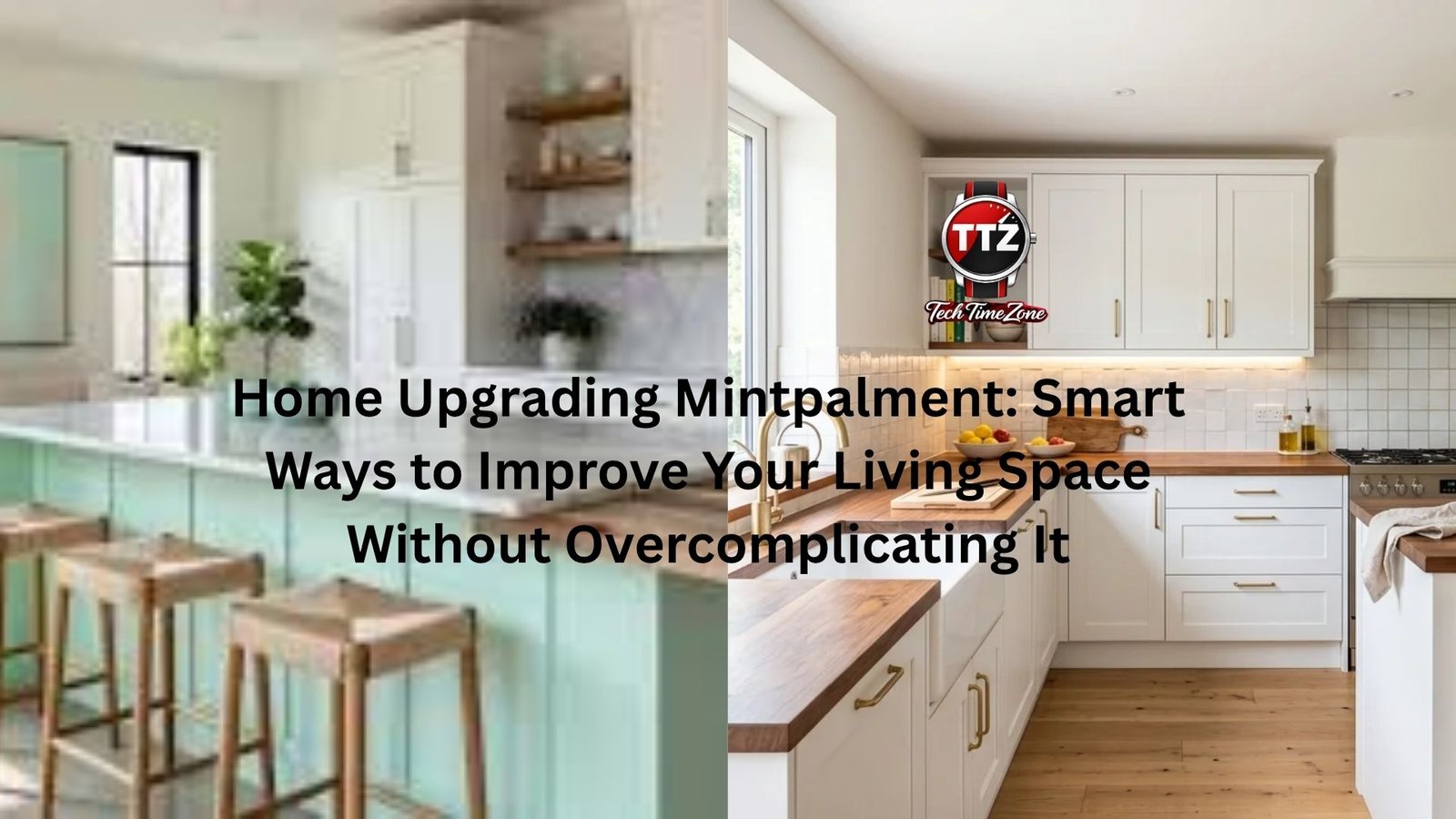
The Kitchen Doesn’t Need a Full Remodel
Few spaces receive more attention than the kitchen.
Unfortunately, many homeowners jump straight to complete renovations when a few targeted improvements could achieve much of the same benefit.
Replacing outdated cabinet hardware can refresh the entire room.
Installing under-cabinet lighting improves both appearance and functionality.
Adding pull-out organizers inside cabinets makes storage easier to access.
Even replacing an old faucet can make the space feel newer.
A friend once spent months planning a kitchen remodel before realizing that most of his frustration came from poor organization rather than the room itself. After adding drawer dividers, cabinet organizers, and better lighting, the kitchen felt dramatically different at a fraction of the expected cost.
Sometimes the problem isn’t the space.
It’s how the space works.
Comfort Matters More Than Appearance
Beautiful homes attract attention.
Comfortable homes improve everyday life.
The two aren’t always the same thing.
Many upgrades focus on visual appeal while ignoring practical comfort. Yet comfort-related improvements often deliver the highest return in terms of daily satisfaction.
Consider insulation.
Nobody visits a house and compliments upgraded insulation. Still, maintaining consistent temperatures throughout the year can completely change how enjoyable a home feels.
The same applies to ceiling fans, weather stripping, better windows, and improved ventilation.
These upgrades rarely make social media headlines, but homeowners appreciate them every single day.
Storage Is Usually the Hidden Problem
Most homes don’t suffer from a lack of space.
They suffer from inefficient use of space.
That’s an important distinction.
When belongings begin accumulating, many people assume they need a bigger home. Often, they simply need better storage solutions.
Vertical shelving can free up valuable floor space.
Built-in storage benches create seating while hiding clutter.
Closet systems can double usable storage capacity.
Even simple wall-mounted hooks can make entryways feel more organized.
Here’s the thing: clutter creates visual stress. When a home feels crowded, it often feels smaller and less relaxing.
Smart storage upgrades solve both problems at once.
Technology Should Simplify Life
Home technology has become increasingly accessible, but not every gadget deserves a place in your house.
The goal isn’t to create a futuristic showroom.
The goal is to make everyday tasks easier.
Smart thermostats are a good example. Once configured properly, they quietly manage temperatures and help reduce energy consumption.
Video doorbells provide convenience and security.
Smart lighting systems allow homeowners to control brightness and schedules with minimal effort.
At the same time, filling a house with unnecessary devices can create more headaches than benefits.
Choose technology that solves a problem you already have.
Ignore technology that creates a problem you never noticed before.
Don’t Overlook Curb Appeal
People often focus entirely on interior improvements while neglecting the exterior.
Yet the outside of a home creates the first impression every single time you arrive.
That matters more than many realize.
Simple landscaping updates can dramatically improve appearance.
Fresh mulch, trimmed shrubs, and healthy plants instantly create a more cared-for look.
A freshly painted front door can make a surprisingly large difference.
Outdoor lighting improves both aesthetics and safety.
None of these upgrades require major construction, but together they can transform how a property feels.
Sometimes improving a home’s appearance starts before anyone even steps inside.
Energy Efficiency Is an Upgrade That Keeps Paying Back
Some improvements provide benefits long after installation.
Energy-efficient upgrades fall into that category.
While certain projects require upfront investment, they often reduce ongoing costs while improving comfort.
LED lighting uses less energy and lasts significantly longer than traditional bulbs.
Efficient appliances can lower utility consumption.
Programmable thermostats help manage heating and cooling more effectively.
Improved insulation reduces energy waste year-round.
Unlike decorative upgrades that primarily change appearance, efficiency improvements continue delivering value month after month.
That’s one reason they remain popular among experienced homeowners.
Create Spaces That Serve Multiple Purposes
Modern homes often need to do more than ever before.
A spare bedroom might function as a guest room, office, workout space, and hobby room depending on the week.
Flexibility has become one of the most valuable features a home can offer.
When planning upgrades, think beyond a room’s original purpose.
Could a dining area also support remote work?
Could a basement corner become a reading nook?
Could unused wall space accommodate additional storage?
The most practical upgrades often increase versatility rather than square footage.
A well-designed space can adapt as life changes.
Avoid Chasing Every Trend
Trends come and go.
That’s always been true.
What feels fresh today may look outdated surprisingly quickly.
This doesn’t mean avoiding modern styles altogether. It simply means choosing upgrades that align with personal preferences and long-term needs rather than temporary popularity.
Neutral foundations tend to age better.
Quality materials generally outlast trendy alternatives.
Functional improvements usually remain valuable regardless of changing design preferences.
A home should reflect the people living in it, not the latest internet trend cycle.
Budgeting for Upgrades Without Regret
One of the smartest approaches to home upgrading mintpalment is prioritization.
Not every project deserves immediate attention.
Start by separating upgrades into three categories:
Essential improvements that address maintenance or safety.
Functional improvements that make daily life easier.
Aesthetic improvements that enhance appearance.
This simple framework helps homeowners allocate resources more effectively.
If a roof needs repair, it probably deserves attention before replacing perfectly functional countertops.
If storage issues create daily frustration, solving them may provide more value than cosmetic changes elsewhere.
The goal isn’t to complete every project.
The goal is to complete the right projects.
The Real Value of Home Upgrading Mintpalment
At its core, home upgrading mintpalment isn’t about creating a perfect house.
Perfect homes don’t exist.
It’s about creating a home that works better for the people who live there.
Sometimes that means improving efficiency. Sometimes it means increasing comfort. Other times it simply means removing small frustrations that slowly wear on daily life.
The most successful upgrades are often the ones nobody notices immediately because they quietly improve everyday routines.
A home should support your lifestyle, not compete with it.
When upgrades focus on real needs instead of endless trends, they tend to deliver lasting value. And that’s ultimately what smart home improvement is all about: making the place you already have work a little better, feel a little better, and serve you a little longer.